Gemstones & Diamonds

The world of precious stones.

The main gem families, their characteristics, treatments and known deposits.

Gemmological reference

Synoptic table

Usual reference values, for guidance only. A specific stone may differ.

GemFamilyHardnessRefractive indexSGCommon treatments
RubyCorundum91.762 – 1.770≈ 4.00Heating is very common, sometimes leaving flux residues in fissures.
SapphireCorundum91.762 – 1.770≈ 4.00Heating is very common.
EmeraldBeryl7.5 – 81.565 – 1.6022.67 – 2.78Fissure filling with oil or resin is very widespread.
SpinelSpinel8≈ 1.7183.58 – 3.61Rarely treated.
TourmalineTourmaline group7 – 7.51.62 – 1.64≈ 3.06Heating, irradiation, sometimes fissure filling.
GarnetsGarnet group6.5 – 7.51.71 – 1.893.5 – 4.3Generally untreated.
TsavoriteGrossular garnet7 – 7.5≈ 1.743.57 – 3.65Generally untreated.
PeridotOlivine (forsterite)6.5 – 71.65 – 1.69≈ 3.34Generally untreated.
OpalHydrated silica5.5 – 6.51.37 – 1.47≈ 2.15Polymer impregnation, "smoke" or "sugar" treatments to darken the body colour, doublets and triplets (assembled stones).
AquamarineBeryl7.5 – 81.57 – 1.582.68 – 2.74Heating is common to remove the green or yellow component.
DiamondCarbon102.417≈ 3.52HPHT treatment, irradiation and annealing, laser drilling, fracture filling, coatings.

About origins. The origins listed are known deposits for each species. They never designate the origin of a particular stone, which can only be established on sufficient evidence, as a rule an independent laboratory report. Images marked “Illustration” do not show stones offered by GemAria.

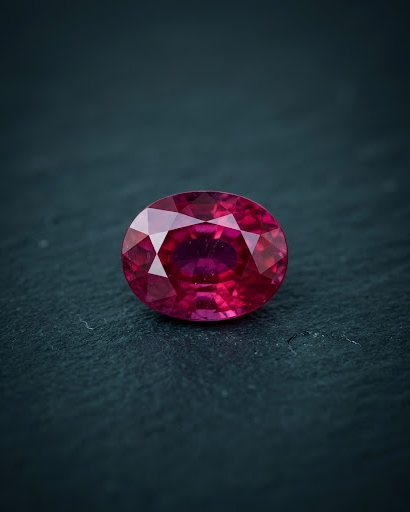
Ruby, illustrative image
Illustrative image

Ruby

Corundum

Ruby

The red variety of corundum, coloured by chromium. Its value rests first on colour, then on clarity, cutting and weight. Fine unheated rubies above a few carats are rare.

Composition
Al₂O₃ (Cr)
Hardness (Mohs)
9
Refractive index
1.762 – 1.770
Specific gravity
≈ 4.00
Colours and varieties
From pinkish red to deep, slightly purplish red. Trade names such as "pigeon's blood" have no single scientific definition.
Distinctive features
Red fluorescence under UV is common in chromium-rich, iron-poor rubies. Typical inclusions: rutile needles ("silk"), crystals, fingerprints.
Treatments
Heating is very common, sometimes leaving flux residues in fissures. Lead-glass filling (must always be identified). Diffusion is less common. A laboratory report is recommended for valuable stones.
Possible origins
Myanmar (Mogok), Mozambique, Madagascar, Tanzania, Thailand and Cambodia, Sri Lanka, Afghanistan, Kenya, Vietnam.
Source this stone with GemAria

Sapphire, illustrative image
Illustrative image

Sapphire

Corundum

Sapphire

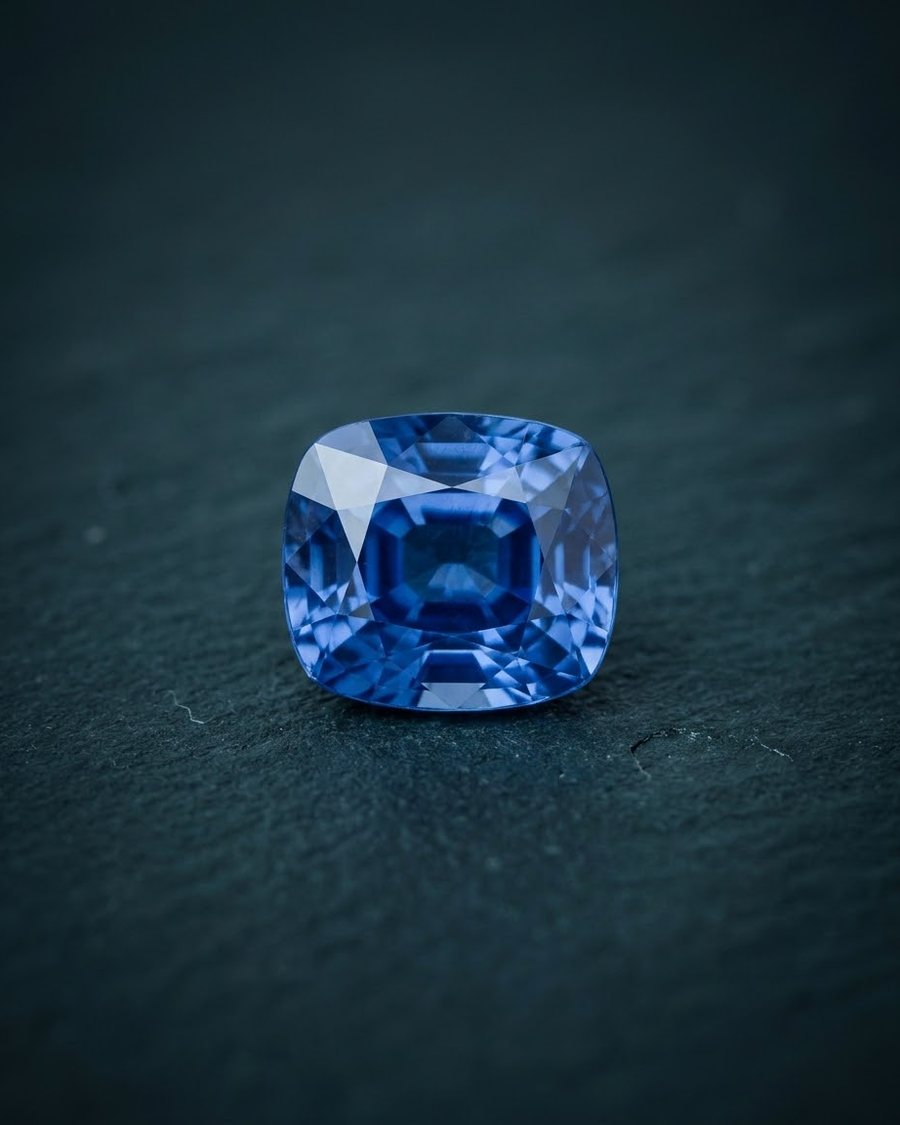
Every corundum that is not red is a sapphire. Blue, caused by iron and titanium, remains the reference, but sapphire also occurs in pink, yellow, green, violet, colourless and colour-change varieties.

Composition
Al₂O₃ (Fe, Ti)
Hardness (Mohs)
9
Refractive index
1.762 – 1.770
Specific gravity
≈ 4.00
Colours and varieties
Blue, padparadscha (pinkish orange), pink, yellow, green, violet, colourless, colour-change and star sapphires.
Distinctive features
Colour zoning is common and best seen in immersion. Inclusions and absorption spectra help separate magmatic and metamorphic deposits.
Treatments
Heating is very common. Beryllium or titanium diffusion, fissure filling. Some treatments can only be detected by a laboratory.
Possible origins
Kashmir, Sri Lanka, Madagascar, Myanmar, Australia, Thailand, Montana (USA), Nigeria, Tanzania.


Source this stone with GemAria

Emerald, illustrative image
Illustrative image

Emerald

Beryl

Emerald

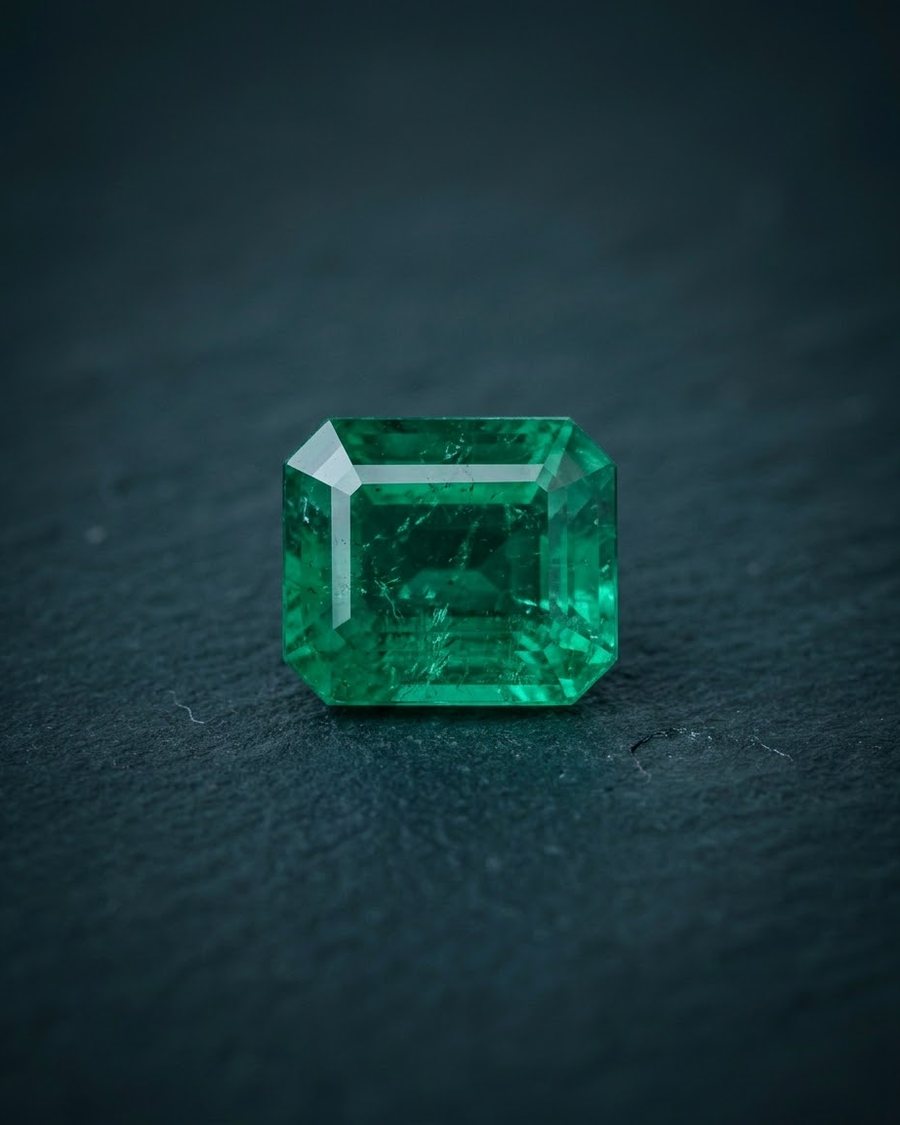
The green variety of beryl, coloured by chromium and vanadium. Inclusions are part of its identity: a perfectly clean emerald should raise questions.

Composition
Be₃Al₂Si₆O₁₈ (Cr, V)
Hardness (Mohs)
7.5 – 8
Refractive index
1.565 – 1.602
Specific gravity
2.67 – 2.78
Colours and varieties
From slightly yellowish green to bluish green. The boundary with iron-coloured "green beryl" is interpreted differently by different laboratories.
Distinctive features
Two- and three-phase inclusions are characteristic of some deposits. Sensitive to knocks, ultrasonic cleaning and heat.
Treatments
Fissure filling with oil or resin is very widespread. Its degree (minor, moderate, significant) strongly affects value.
Possible origins
Colombia, Zambia, Brazil, Afghanistan (Panjshir), Ethiopia, Madagascar, Zimbabwe, Russia.


Source this stone with GemAria

Spinel, illustrative image
Illustrative image

Spinel

Spinel

Spinel

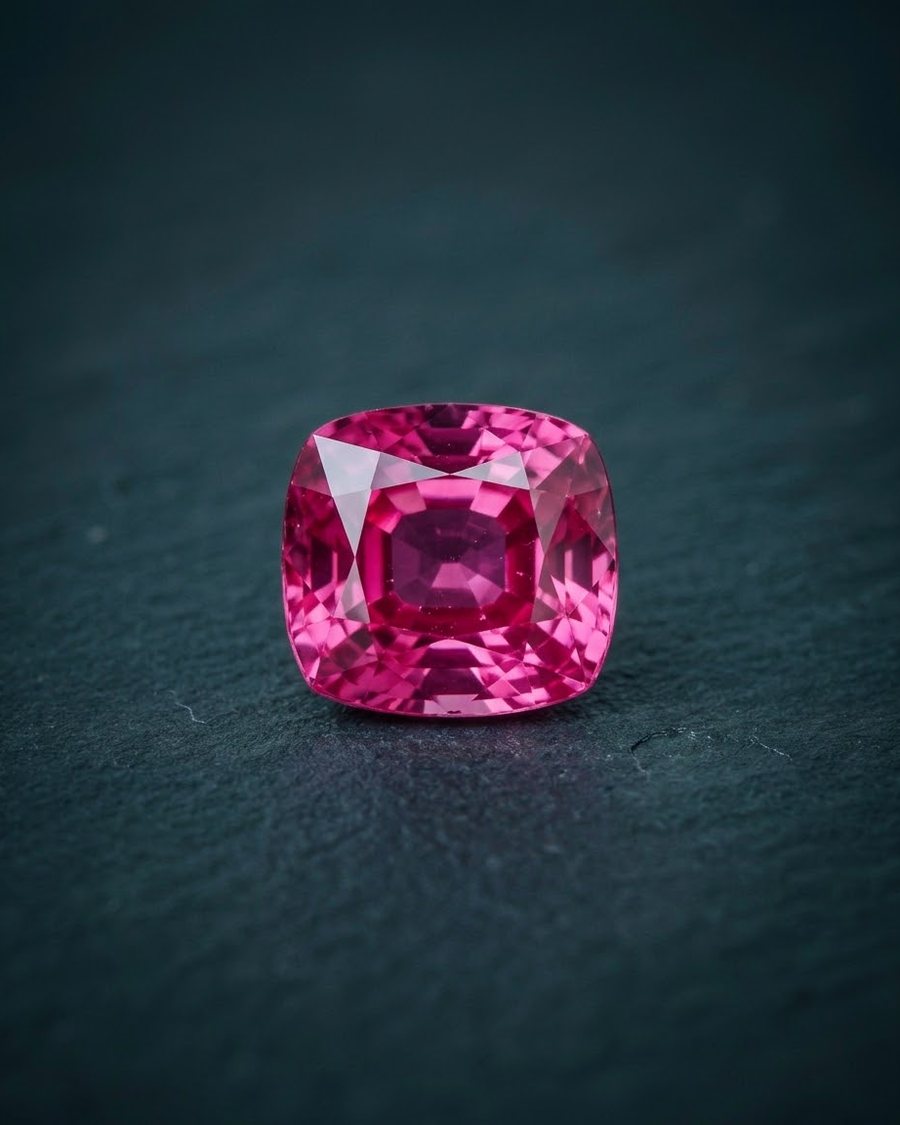
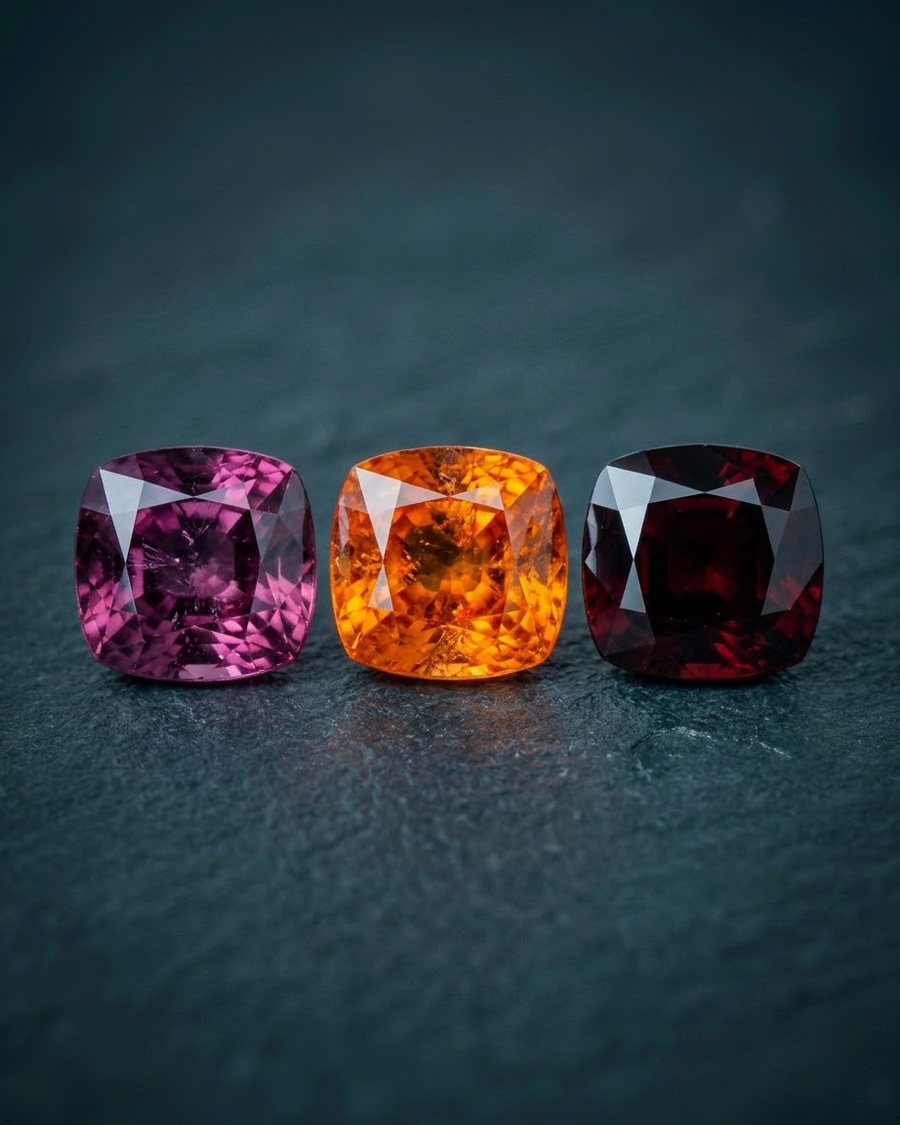
Long mistaken for ruby, spinel is now sought after in its own right. It is usually offered untreated, which makes it a favourite among connoisseurs.

Composition
MgAl₂O₄
Hardness (Mohs)
8
Refractive index
≈ 1.718
Specific gravity
3.58 – 3.61
Colours and varieties
Red, vivid pink, orange, violet, lavender, grey, blue (including the very rare cobalt blue).
Distinctive features
Singly refractive, which separates it from ruby with a polariscope or refractometer. Octahedral inclusions are common.
Treatments
Rarely treated. Heating is occasionally applied. Synthetic spinel is common and must be ruled out.
Possible origins
Myanmar, Tanzania (Mahenge), Sri Lanka, Vietnam, Tajikistan, Madagascar.


Source this stone with GemAria

Tourmaline, illustrative image
Illustrative image

Tourmaline

Tourmaline group

Tourmaline

A group of chemically complex borosilicates, tourmaline offers the widest palette in the gem world, often within a single stone.

Composition
Elbaite, dravite, liddicoatite…
Hardness (Mohs)
7 – 7.5
Refractive index
1.62 – 1.64
Specific gravity
≈ 3.06
Colours and varieties
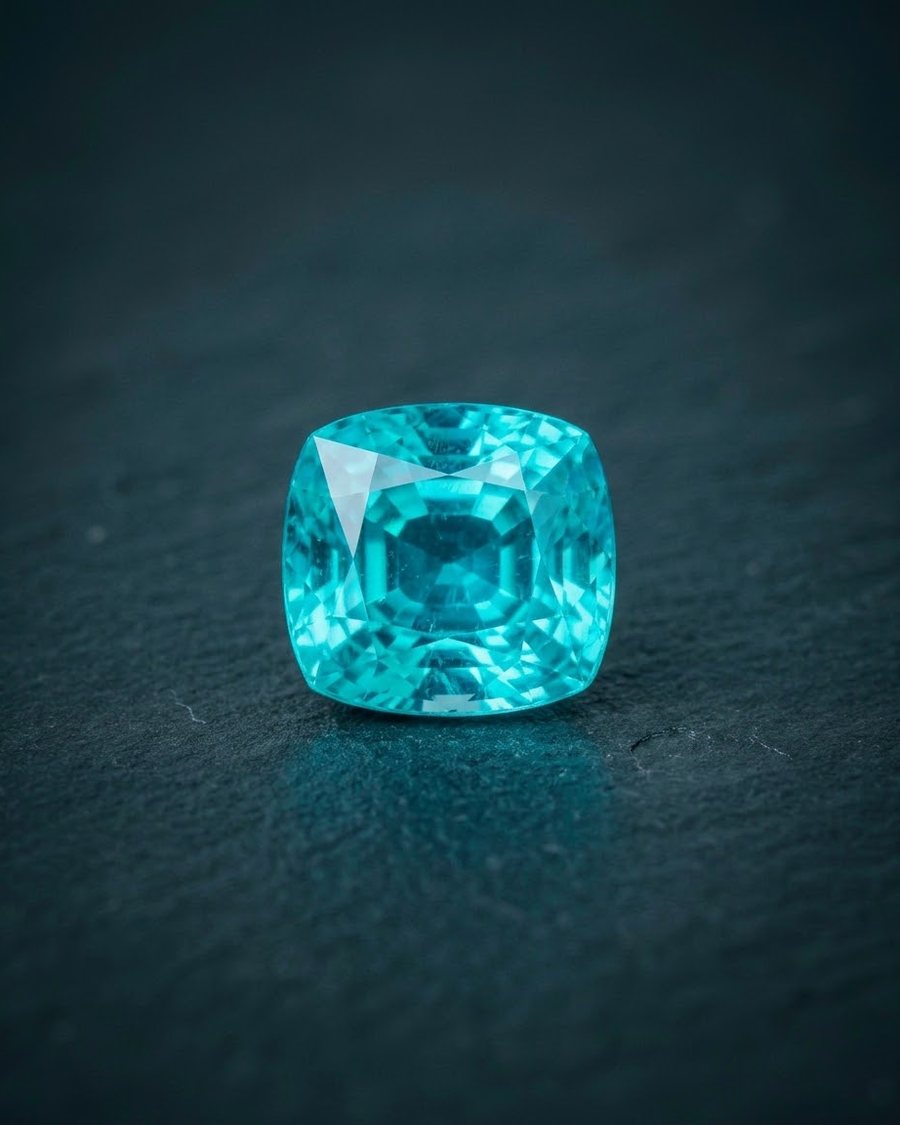
Rubellite (pink to red), indicolite (blue), verdelite (green), bicolour and "watermelon" tourmalines, copper-bearing Paraíba-type tourmalines.
Distinctive features
Strong birefringence and distinct pleochroism: the orientation of the cut greatly affects the perceived colour.
Treatments
Heating, irradiation, sometimes fissure filling. Many tourmalines remain untreated.
Possible origins
Brazil, Nigeria, Mozambique, Afghanistan, Madagascar, Namibia, USA.


Source this stone with GemAria

Garnets, illustrative image
Illustrative image

Garnets

Garnet group

Garnets

Garnet is not one stone but a family of related minerals, ranging from very accessible gems to collectors' rarities.

Composition
Pyrope, almandine, spessartine, grossular, andradite
Hardness (Mohs)
6.5 – 7.5
Refractive index
1.71 – 1.89
Specific gravity
3.5 – 4.3
Colours and varieties
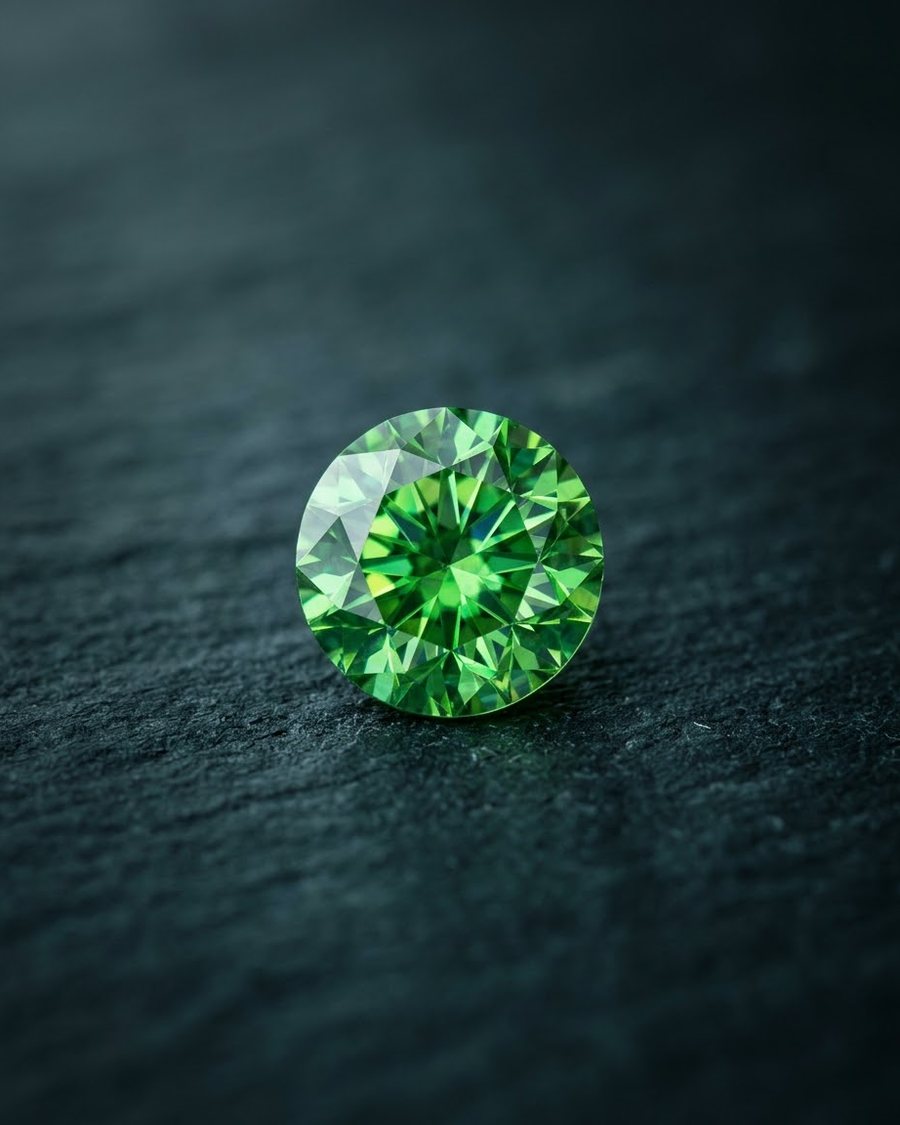
Rhodolite (purplish pink), spessartine ("mandarin" orange), demantoid (vivid green), grossulars, colour-change garnets.
Distinctive features
Singly refractive. The "horsetail" inclusions of demantoid are famous.
Treatments
Generally untreated.
Possible origins
Many deposits: Tanzania, Kenya, Madagascar, Mozambique, Namibia, Sri Lanka, India, Russia.


Source this stone with GemAria

Tsavorite, illustrative image
Illustrative image

Tsavorite

Grossular garnet

Tsavorite

Green grossular coloured by vanadium and chromium, discovered in East Africa in the late 1960s. Bright lustre and saturated colour, generally untreated.

Composition
Ca₃Al₂(SiO₄)₃ (V, Cr)
Hardness (Mohs)
7 – 7.5
Refractive index
≈ 1.74
Specific gravity
3.57 – 3.65
Colours and varieties
From light to intense green. Fine-coloured stones above a few carats are rare.
Distinctive features
Singly refractive, with a higher refractive index than emerald, from which it is easily distinguished.
Treatments
Generally untreated.
Possible origins
Kenya, Tanzania, Madagascar.


Source this stone with GemAria

Peridot, illustrative image
Illustrative image

Peridot

Olivine (forsterite)

Peridot

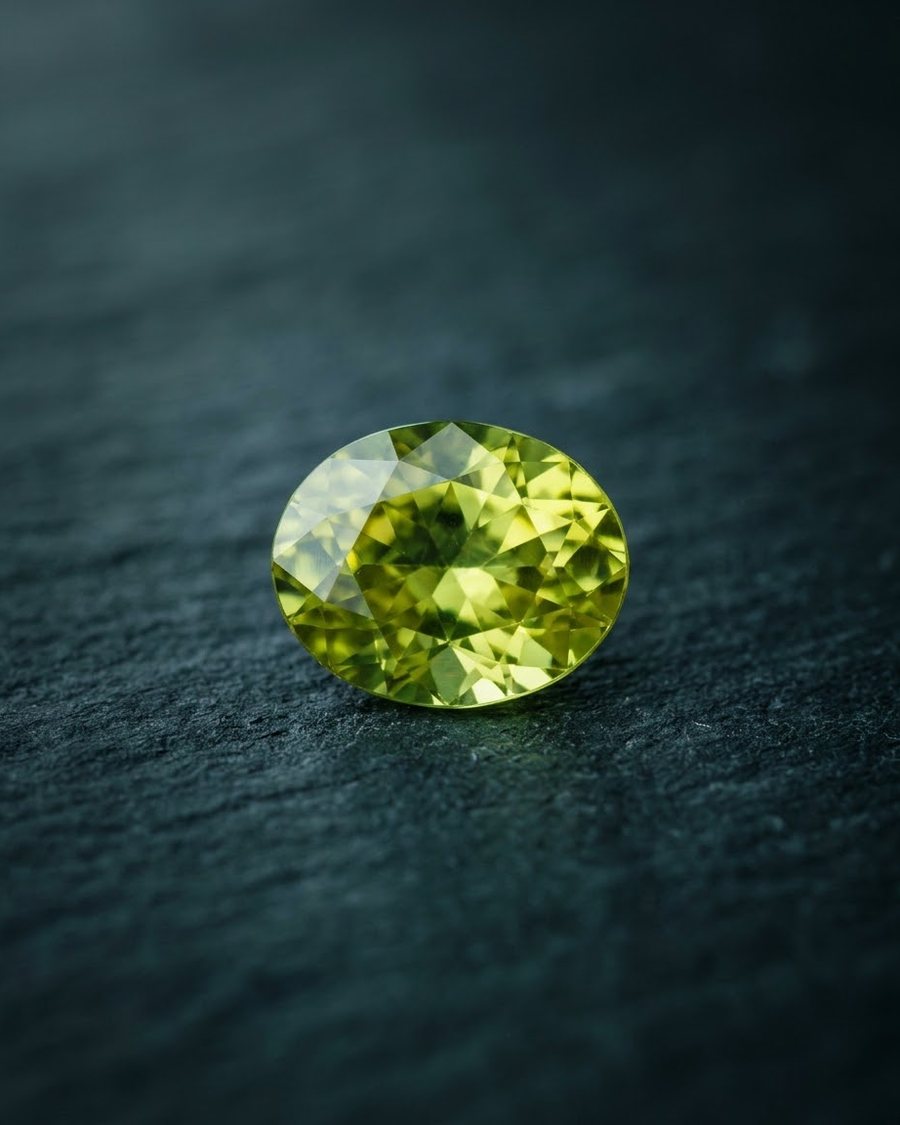
The gem variety of olivine, a slightly yellowish green caused by iron. It forms in the Earth's mantle and is also found in some meteorites.

Composition
(Mg,Fe)₂SiO₄
Hardness (Mohs)
6.5 – 7
Refractive index
1.65 – 1.69
Specific gravity
≈ 3.34
Colours and varieties
Yellowish green to olive green.
Distinctive features
High birefringence: facet edge doubling visible with a loupe. Typical "lily pad" inclusions.
Treatments
Generally untreated.
Possible origins
Pakistan, Myanmar, USA (Arizona), China, Vietnam, Egypt (Zabargad island), Tanzania.


Source this stone with GemAria

Opal, illustrative image
Illustrative image

Opal

Hydrated silica

Opal

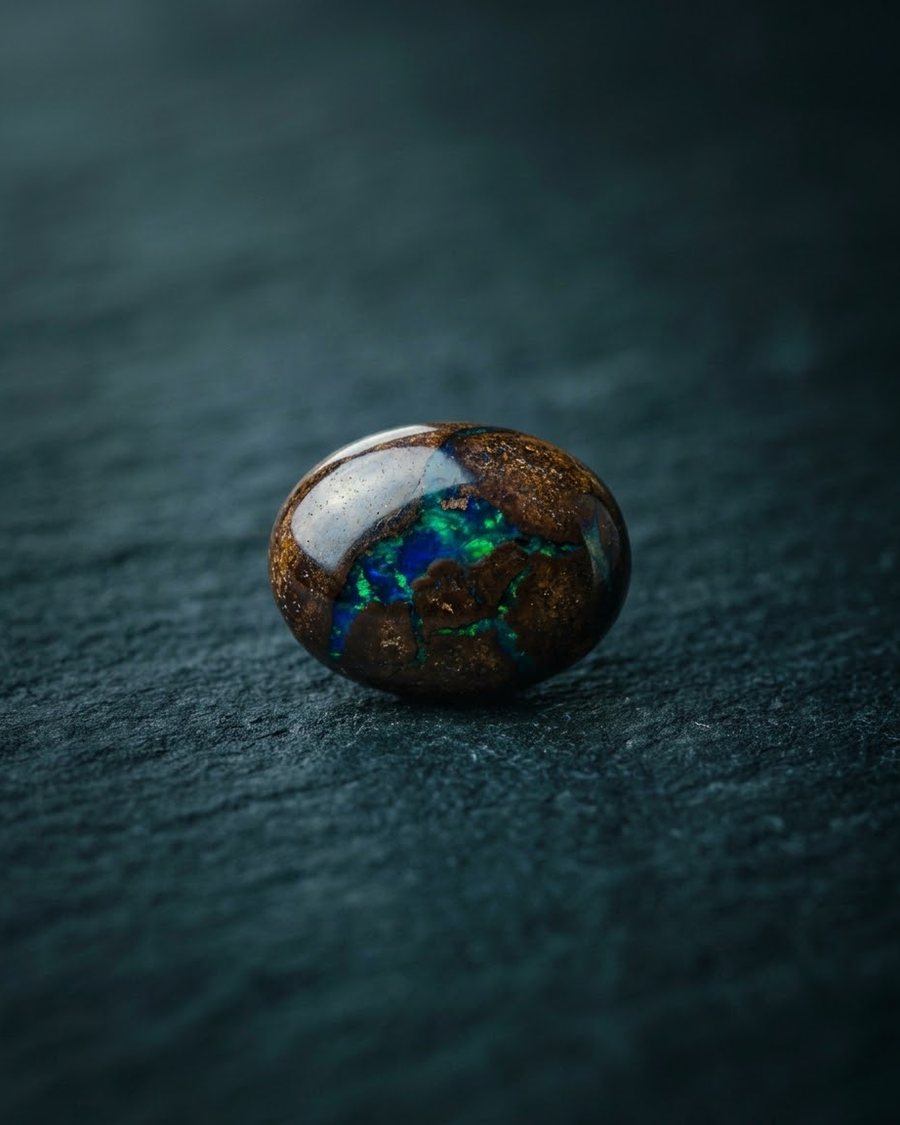
Amorphous silica containing water. Precious opal owes its play of colour to an ordered stacking of silica spheres that diffracts light.

Composition
SiO₂·nH₂O
Hardness (Mohs)
5.5 – 6.5
Refractive index
1.37 – 1.47
Specific gravity
≈ 2.15
Colours and varieties
Black opal, white opal, boulder opal (on its host rock), crystal opal, fire opal.
Distinctive features
Fragile, sensitive to knocks and temperature changes. Some Ethiopian opals are hydrophane and change appearance when wet.
Treatments
Polymer impregnation, "smoke" or "sugar" treatments to darken the body colour, doublets and triplets (assembled stones).
Possible origins
Australia (black opal, boulder opal in Queensland), Ethiopia, Mexico, Brazil.


Source this stone with GemAria

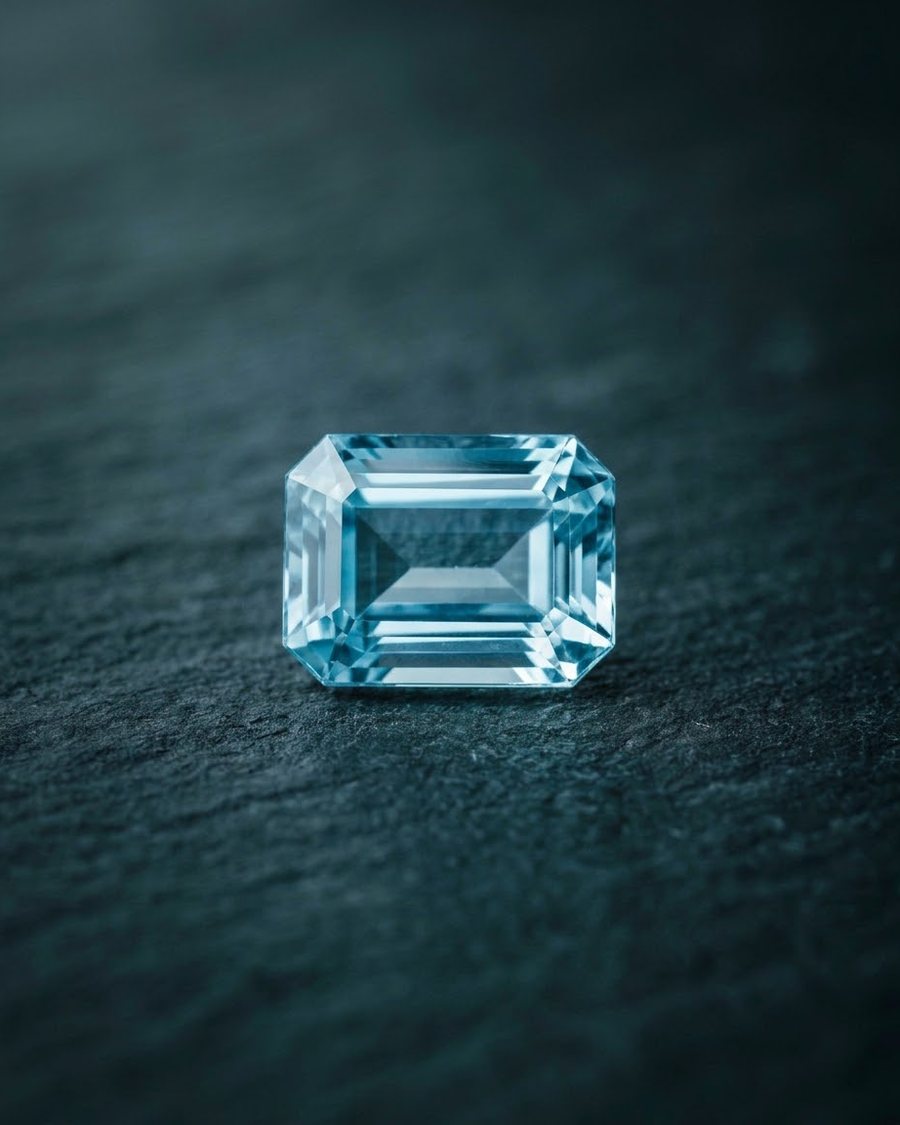
Aquamarine, illustrative image
Illustrative image

Aquamarine

Beryl

Aquamarine

The blue variety of beryl, coloured by iron. Often very clean, it allows generous cuts and large stones.

Composition
Be₃Al₂Si₆O₁₈ (Fe)
Hardness (Mohs)
7.5 – 8
Refractive index
1.57 – 1.58
Specific gravity
2.68 – 2.74
Colours and varieties
From very light to deep blue, sometimes with a green tint.
Distinctive features
Characteristic parallel growth tubes ("rain"). Blue and colourless pleochroism.
Treatments
Heating is common to remove the green or yellow component.
Possible origins
Brazil, Madagascar, Nigeria, Mozambique, Pakistan, Afghanistan.


Source this stone with GemAria

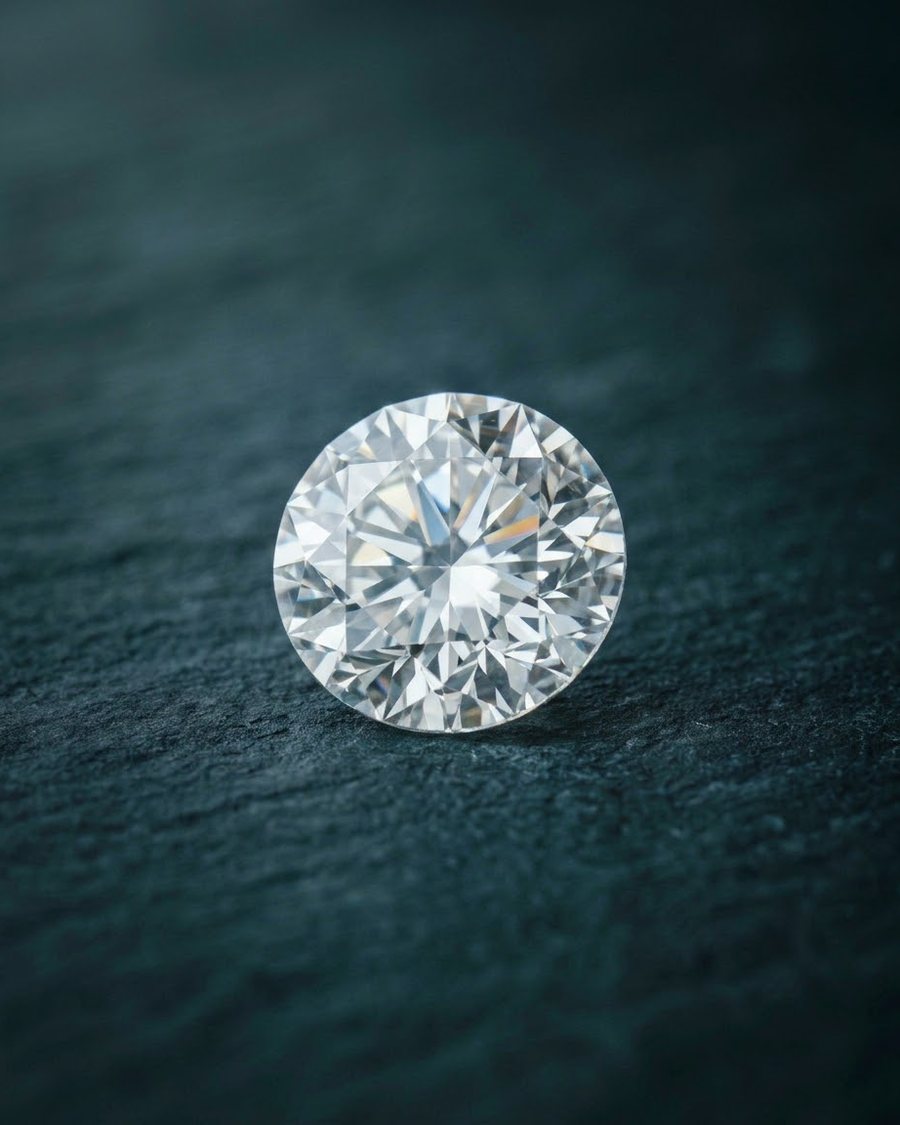
Diamond, illustrative image
Illustrative image

Diamond

Carbon

Diamond

Pure carbon crystallised under very high pressure. Diamonds are assessed on the "4Cs": colour, clarity, cut and carat weight. Separating natural from laboratory-grown diamonds is now essential.

Composition
C
Hardness (Mohs)
10
Refractive index
2.417
Specific gravity
≈ 3.52
Colours and varieties
Colourless to light yellow (D to Z scale), and fancy colours: yellow, brown, pink, blue, green.
Distinctive features
Synthetic diamonds (HPHT and CVD processes) are chemically identical to natural diamond: detecting them requires specialised instruments.
Treatments
HPHT treatment, irradiation and annealing, laser drilling, fracture filling, coatings.
Possible origins
Botswana, Russia, Canada, South Africa, Namibia, Angola, Democratic Republic of the Congo, Australia.


Source this stone with GemAria

Gallery

GemAria stones

Real stones photographed by GemAria. Only the background is retouched: the colour, size and clarity of the stones are not altered.

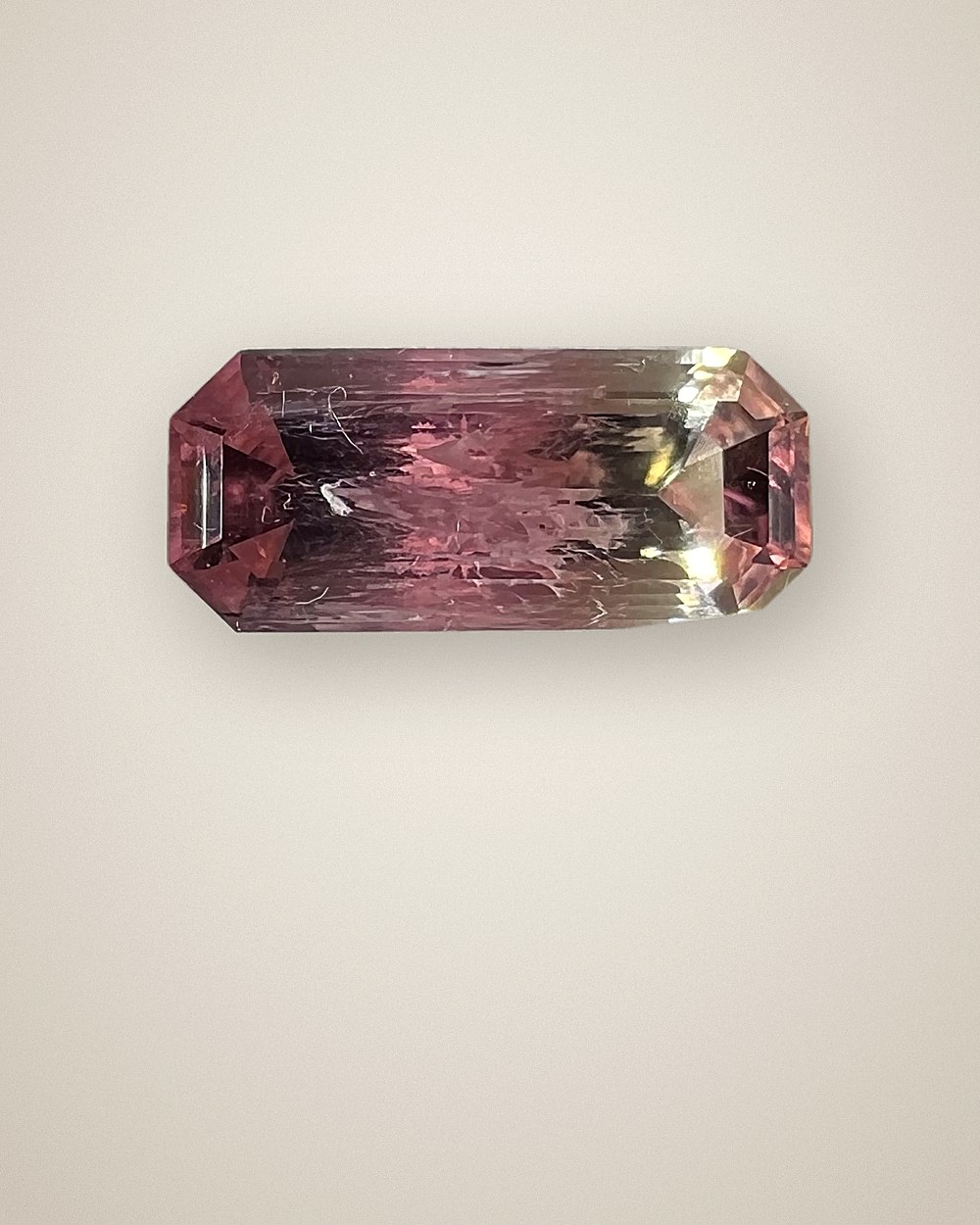
Bicolour tourmaline, elongated emerald cut, GemAria photograph
GemAria stone

Bicolour tourmaline, elongated emerald cut

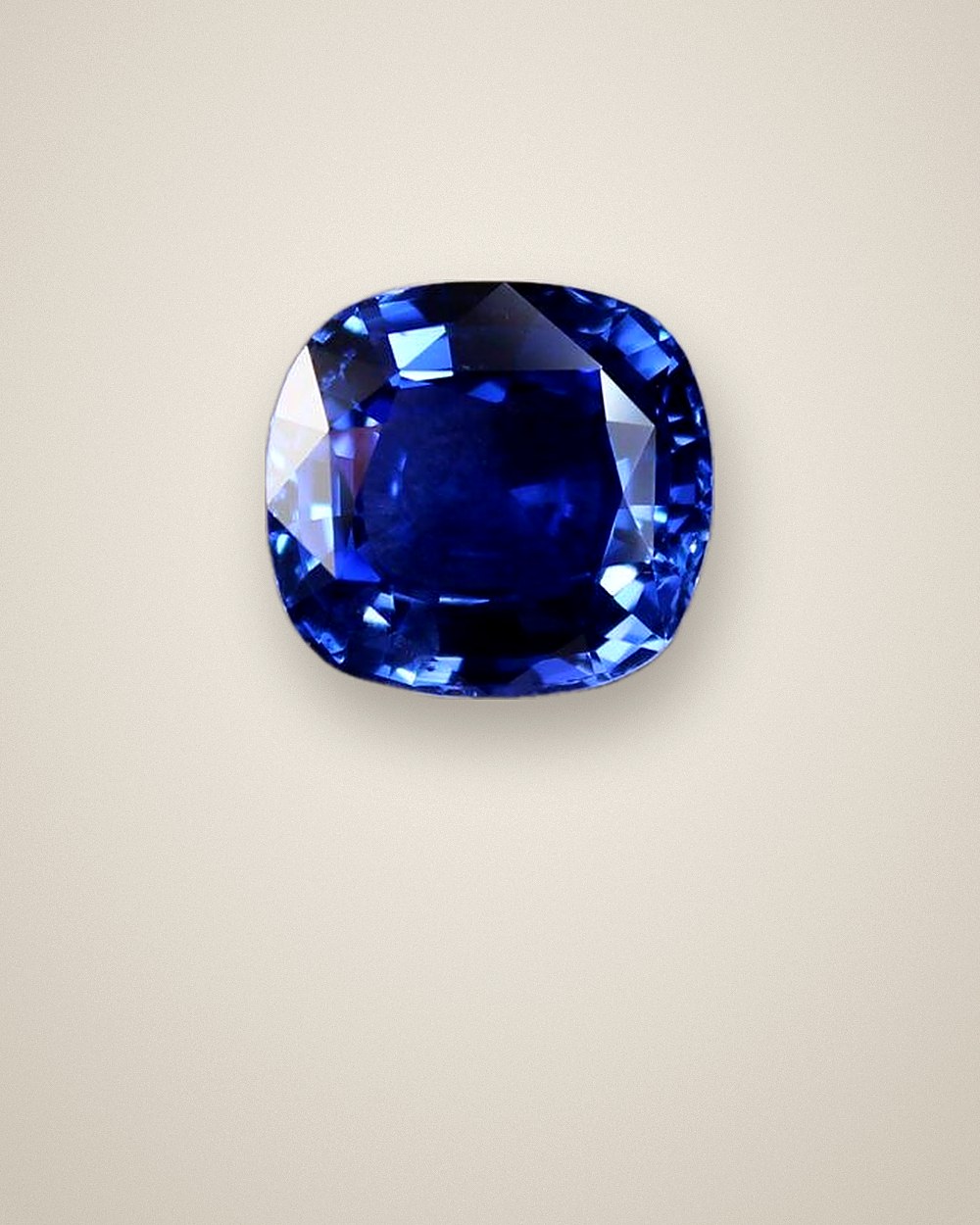
Blue sapphire, cushion cut, GemAria photograph
GemAria stone

Blue sapphire, cushion cut

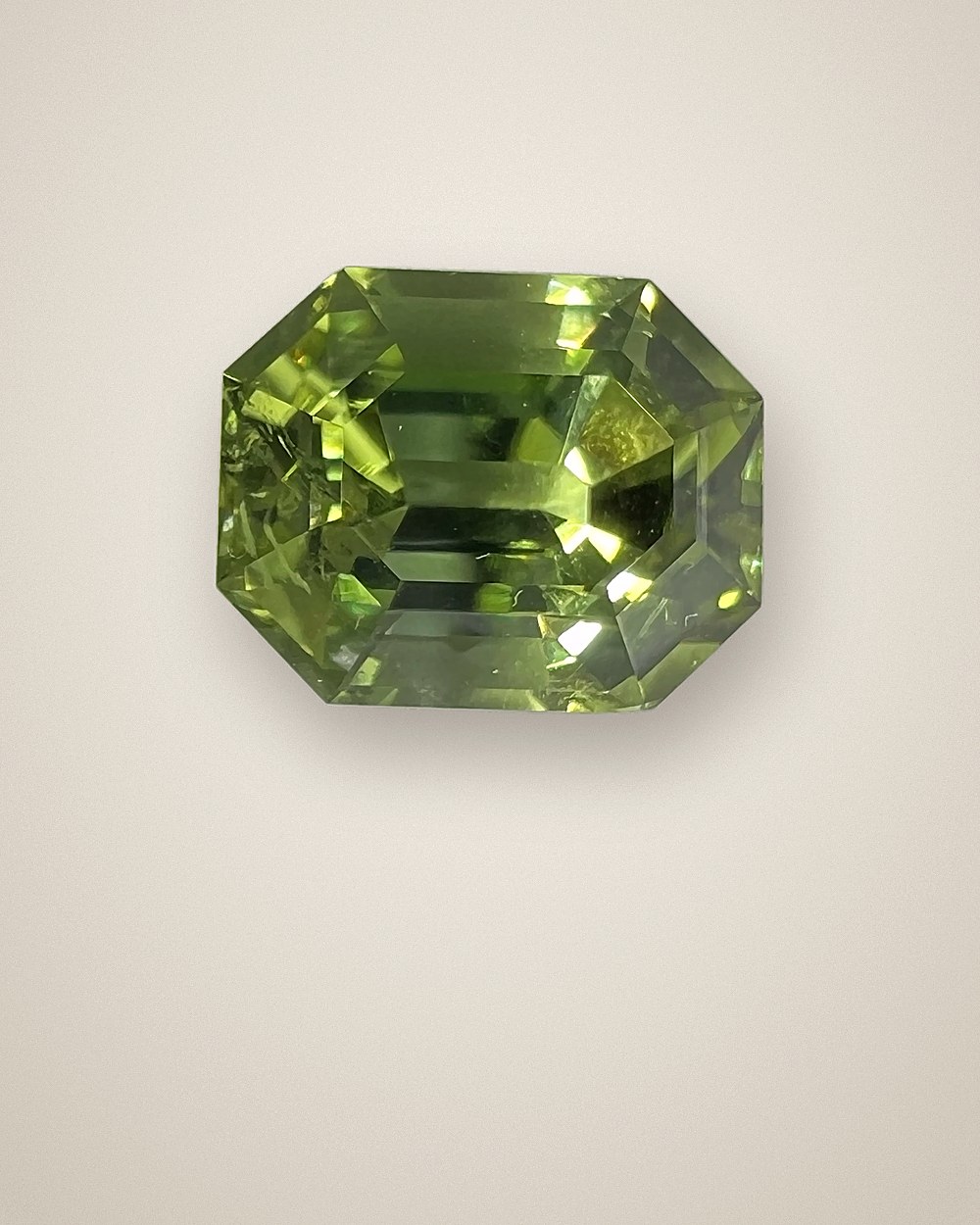
Chartreuse tourmaline, emerald cut, GemAria photograph
GemAria stone

Chartreuse tourmaline, emerald cut

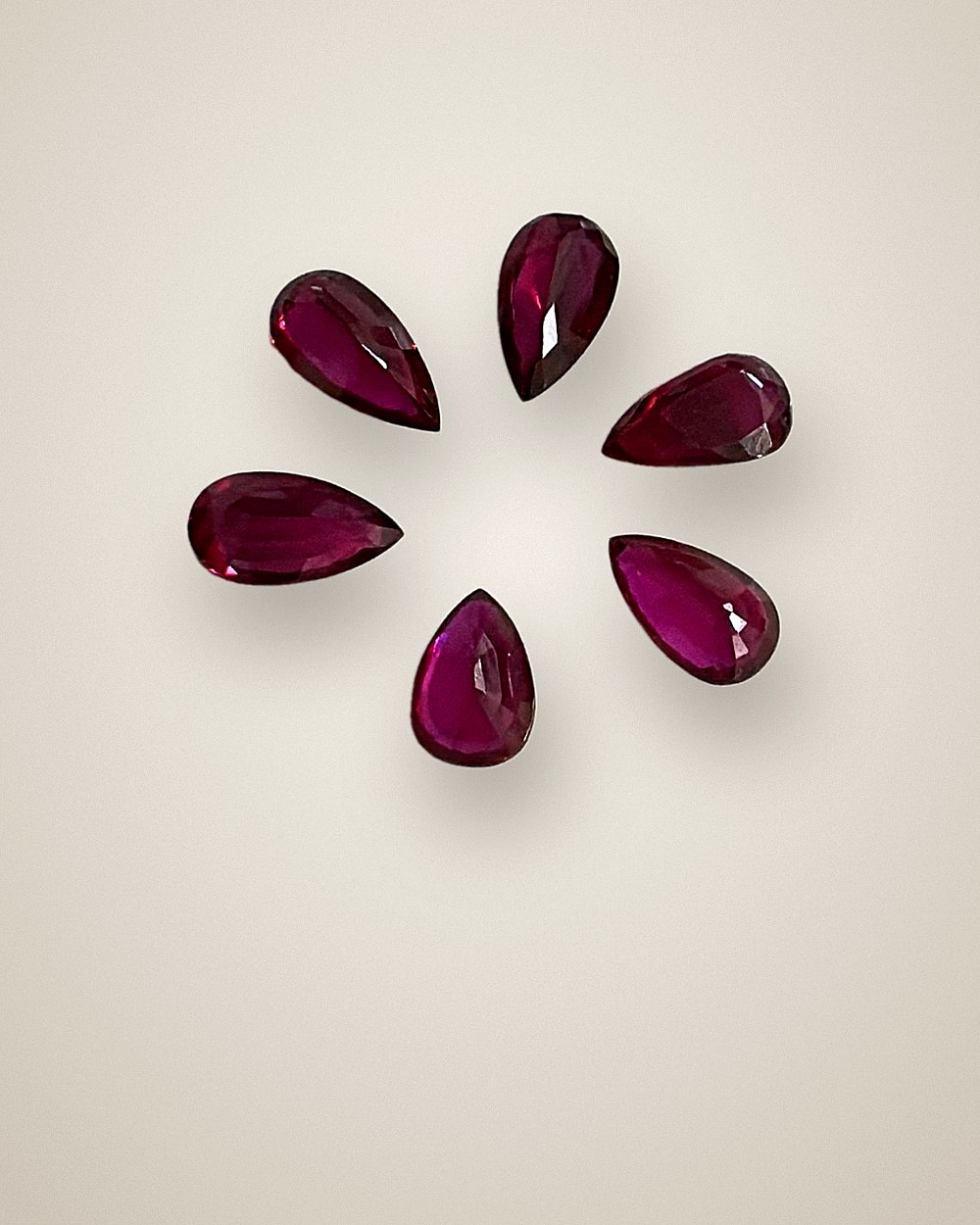
Rubies, pear cut, GemAria photograph
GemAria stone

Rubies, pear cut

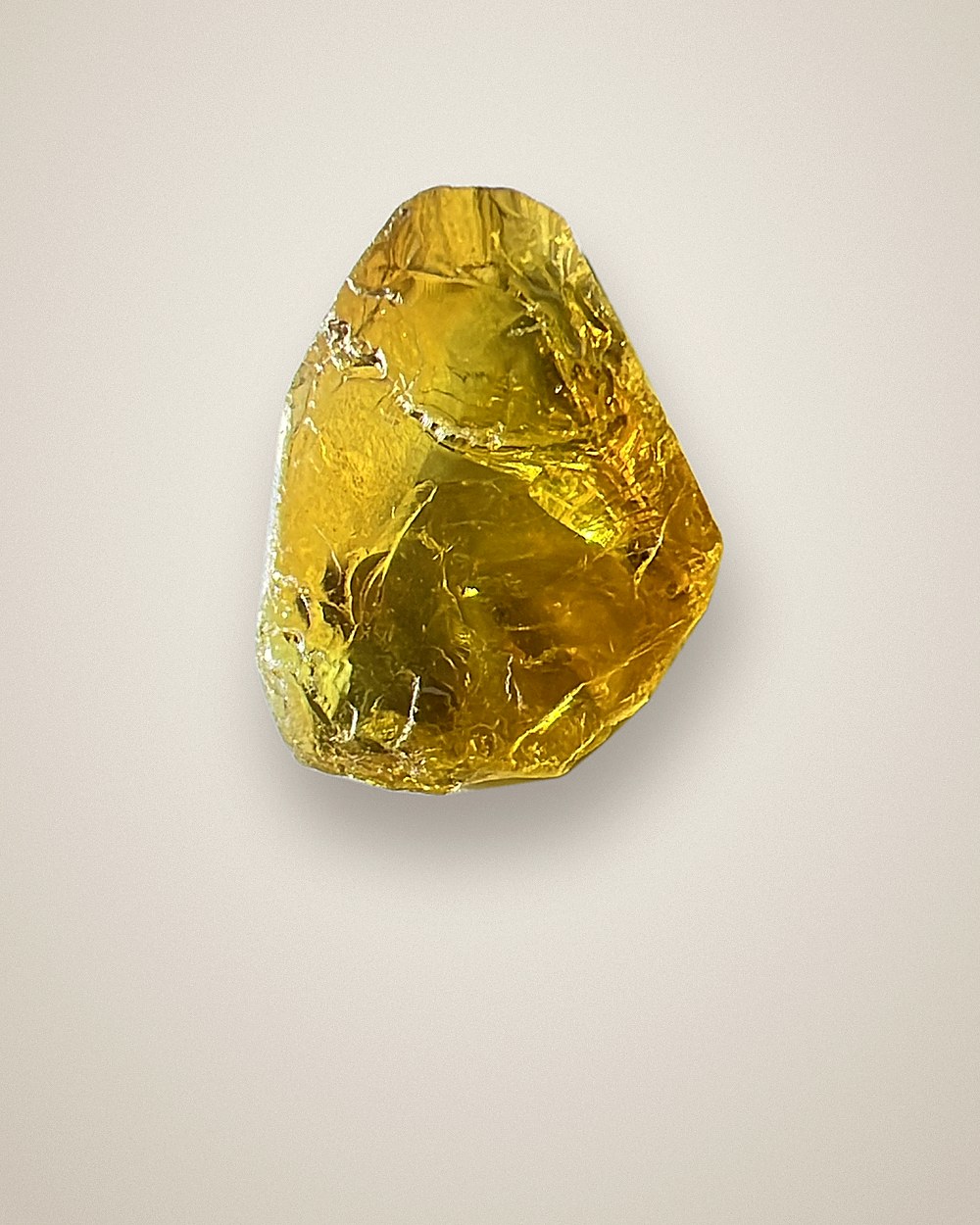
Rough tourmaline, brownish yellow, GemAria photograph
GemAria stone

Rough tourmaline, brownish yellow

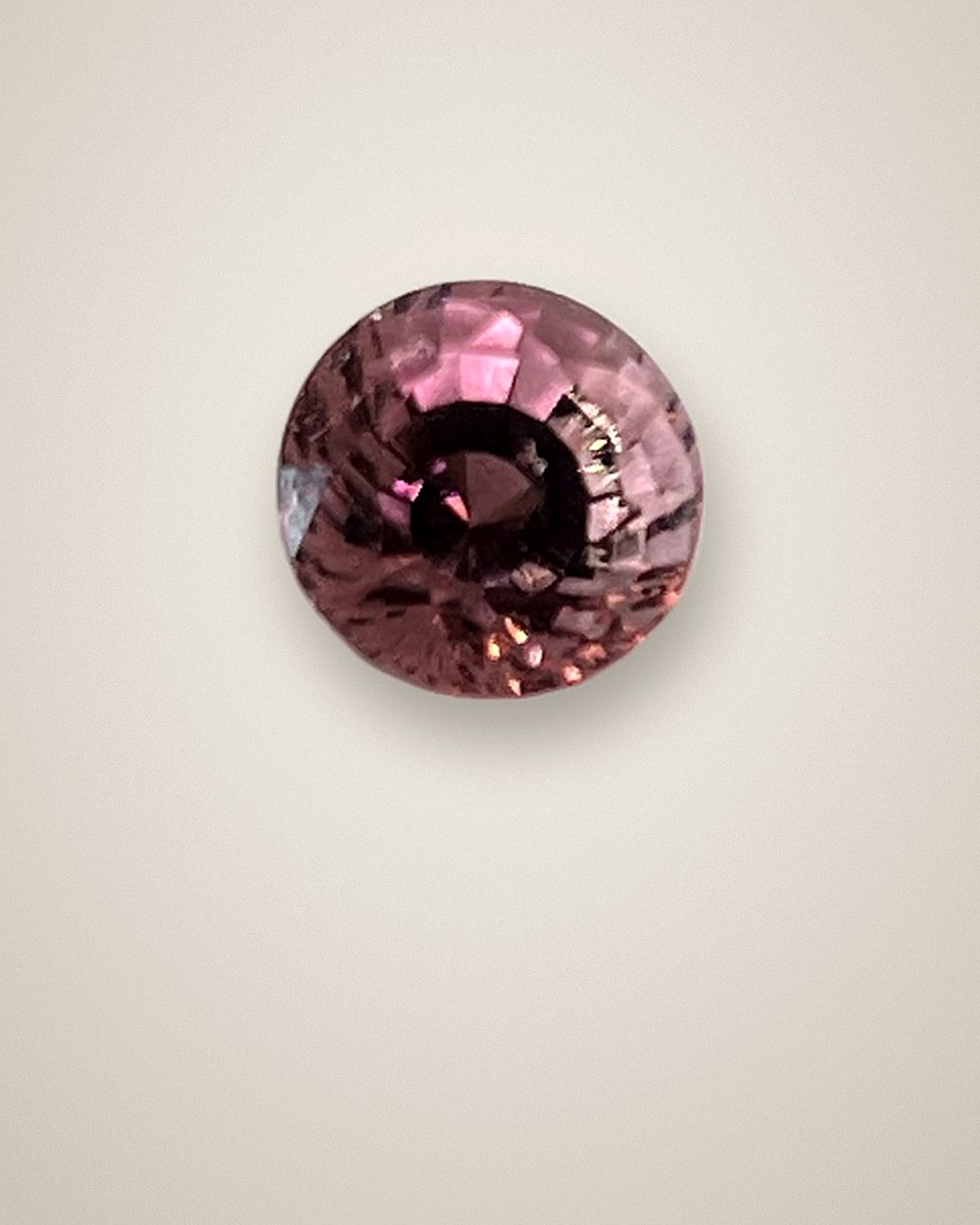
Rubellite, round cut, GemAria photograph
GemAria stone

Rubellite, round cut

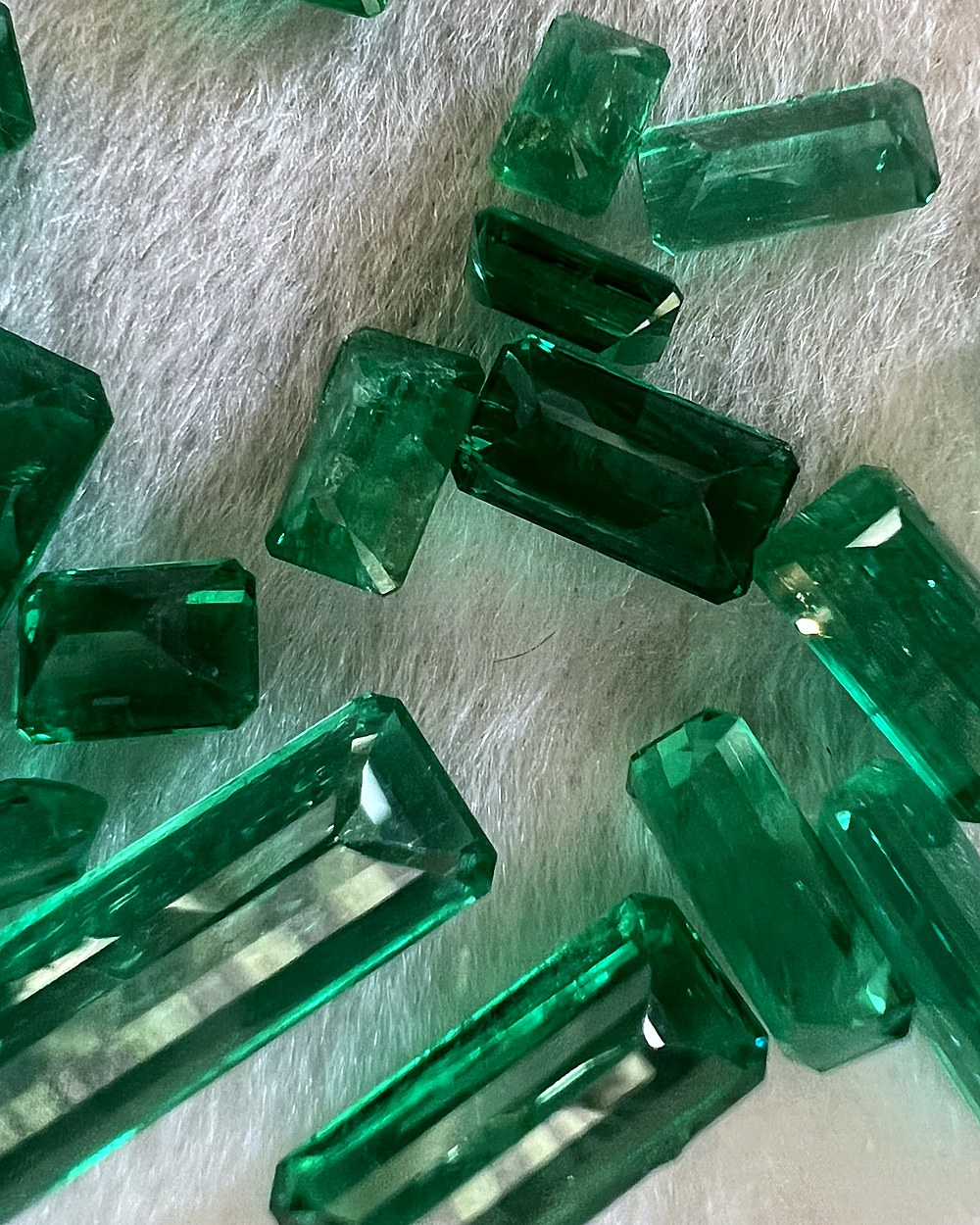
Parcel of emeralds, emerald cut, GemAria photograph
GemAria stone

Parcel of emeralds, emerald cut

Your stone

Have a stone examined

Get in touch


In motion

Light within the stone

A few seconds are enough to see a stone’s brilliance, colour and pleochroism.

GemAria video

Bicolour tourmaline

GemAria video

Rubellite, round cut

GemAria video

Mint green tourmaline, trillion cut


Follow GemAria on Instagram · @GemAria.ch

Search service

A specific search?

A colour, a cut, a weight, a budget: GemAria searches for the stone that matches your project, in strict confidence.

Reasoned selectionLaboratory when neededConfidentiality
Contact